

The way businesses market themselves has completely changed over the last few years. Customers now search online before buying products, compare brands on search engines, and trust businesses that provide useful and helpful content. Because of this shift, companies can no longer rely only on traditional advertising methods.
At the same time, building a full in-house marketing team has become expensive for many businesses. Hiring SEO experts, content writers, designers, strategists, and social media managers requires both time and money. This is one of the biggest reasons why Marketing as a Service, also known as MaaS, is becoming popular.
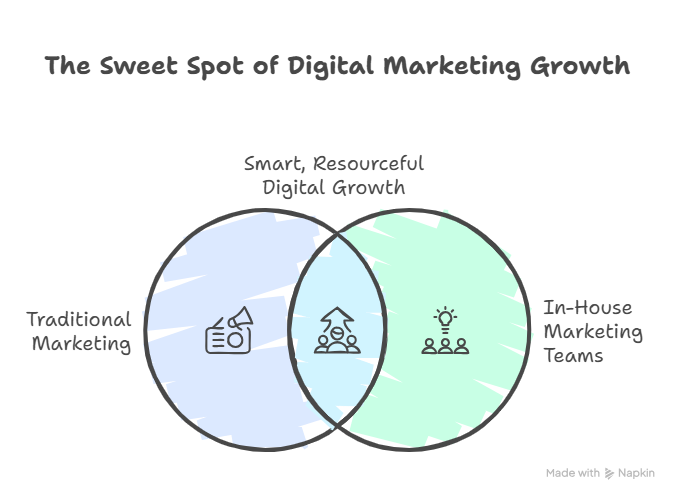
Marketing as a Service allows businesses to outsource their marketing activities to professionals who already understand SEO, branding, content strategy, and lead generation. Instead of managing everything internally, businesses can work with one experienced team that handles their digital growth in a smarter and more organized way.
In 2026, MaaS is becoming one of the most effective ways for businesses to grow online while saving both resources and effort.
What Is Marketing as a Service?
Marketing as a Service is a flexible marketing model where businesses pay for professional marketing support according to their needs. Instead of hiring multiple employees for different marketing roles, companies work with a marketing service provider that offers complete digital marketing solutions under one system.
This model has seen a major surge in adoption, with the global marketing services ecosystem valued at $444.9 billion, as organizations look to modern digital and performance-driven customer acquisition. Over 50% of companies now actively outsource front-office functions like sales and marketing to third-party providers to keep pace with rapid digital transformation.
Furthermore, the core motivation for this approach has evolved. While cost efficiency remains vital, executive priorities have fundamentally shifted: only 34% of executives now cite cost reduction as their primary reason for outsourcing, down from 70% in 2020. Instead, the top drivers now have immediate access to specialized talent and advanced marketing technology.
The biggest advantage of MaaS is flexibility. Businesses can increase or reduce services depending on their goals, budget, and stage of growth. This makes it especially helpful for startups and growing companies that need smart marketing support without large investments.
Why Businesses Are Moving Toward MaaS
Modern businesses operate in a highly competitive digital environment where visibility matters more than ever. Search engines now prioritize helpful content, user intent, website authority, and topical relevance. Companies that fail to adapt often struggle to reach their target audience.
Many businesses are choosing Marketing as a Service because it offers professional expertise without the challenges of traditional hiring. Instead of spending months building a team, companies can immediately access skilled marketers who already understand digital trends and proven growth strategies.
Another important reason behind the rise of MaaS is cost efficiency. Small businesses usually cannot afford separate departments for SEO, branding, design, and advertising. MaaS combines all these services into one organized solution, making marketing more affordable and practical.
Businesses also benefit from faster execution. Experienced marketing teams already know how to create campaigns, optimize websites, and improve online visibility, which saves valuable time for business owners.
How Marketing as a Service Actually Works
Marketing as a Service usually begins with understanding the business itself. The marketing team studies the company’s goals, target audience, competitors, industry trends, and current online presence. This research helps create a strategy that matches the business’s actual needs instead of using generic marketing methods.
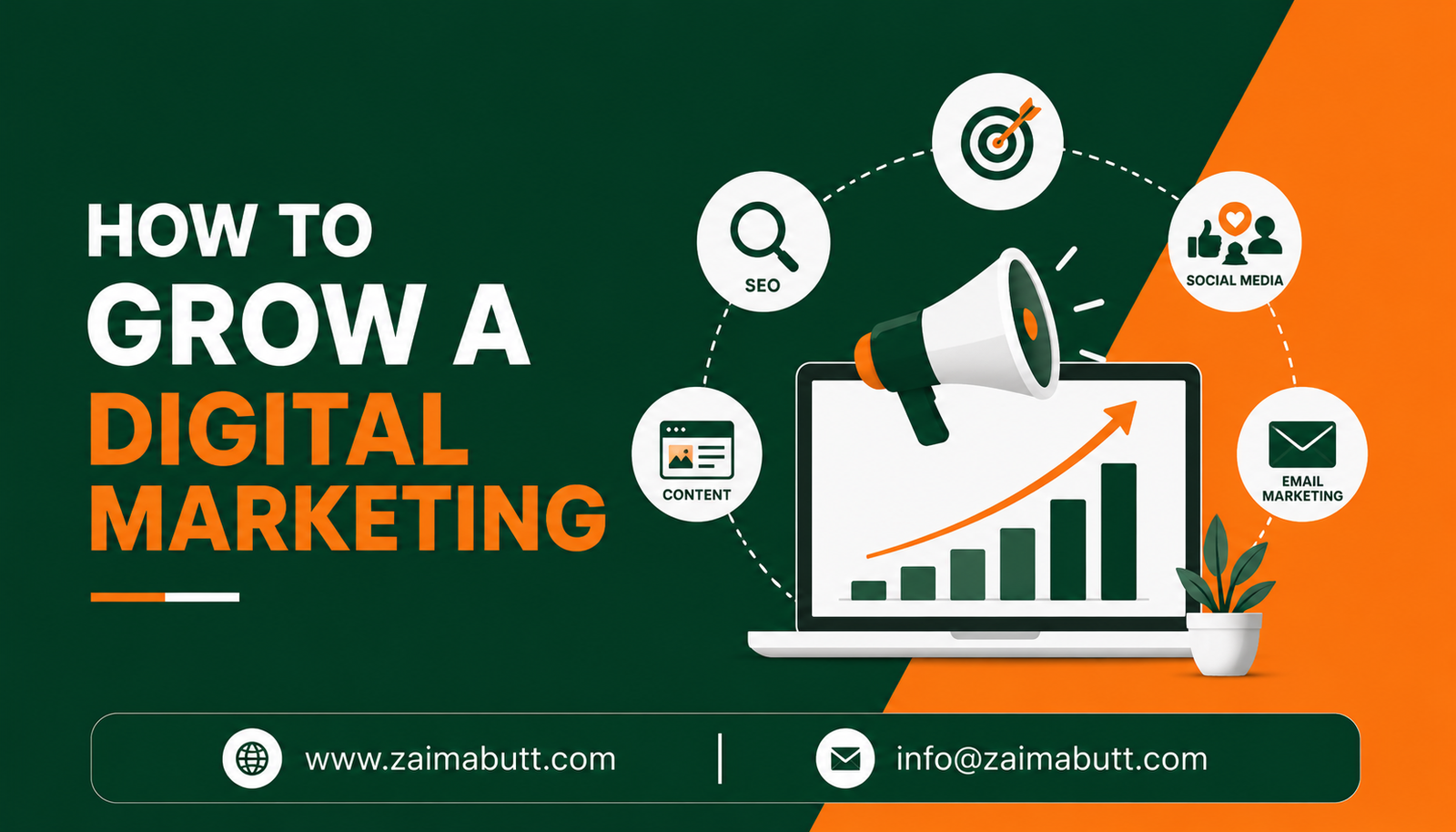
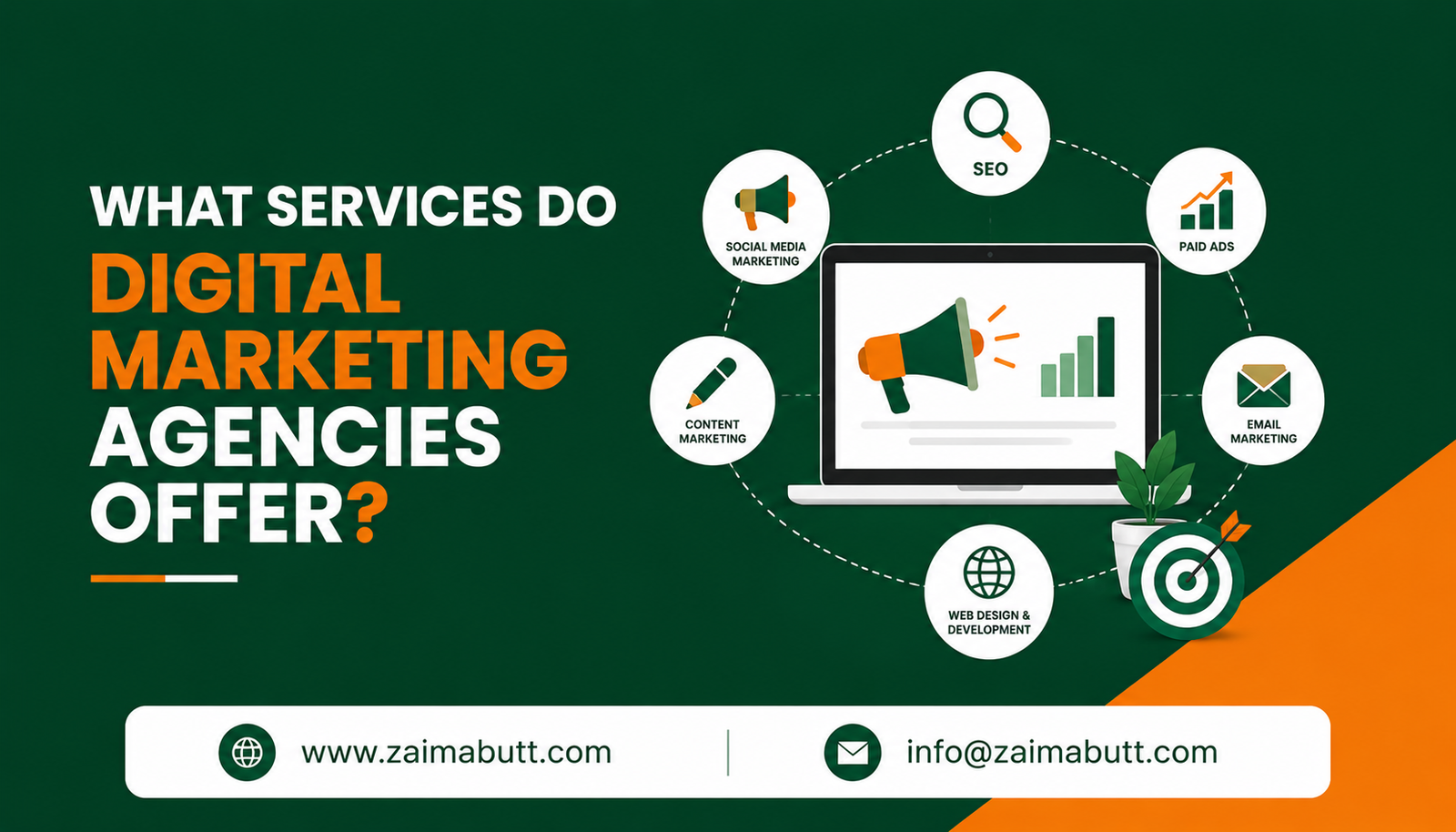
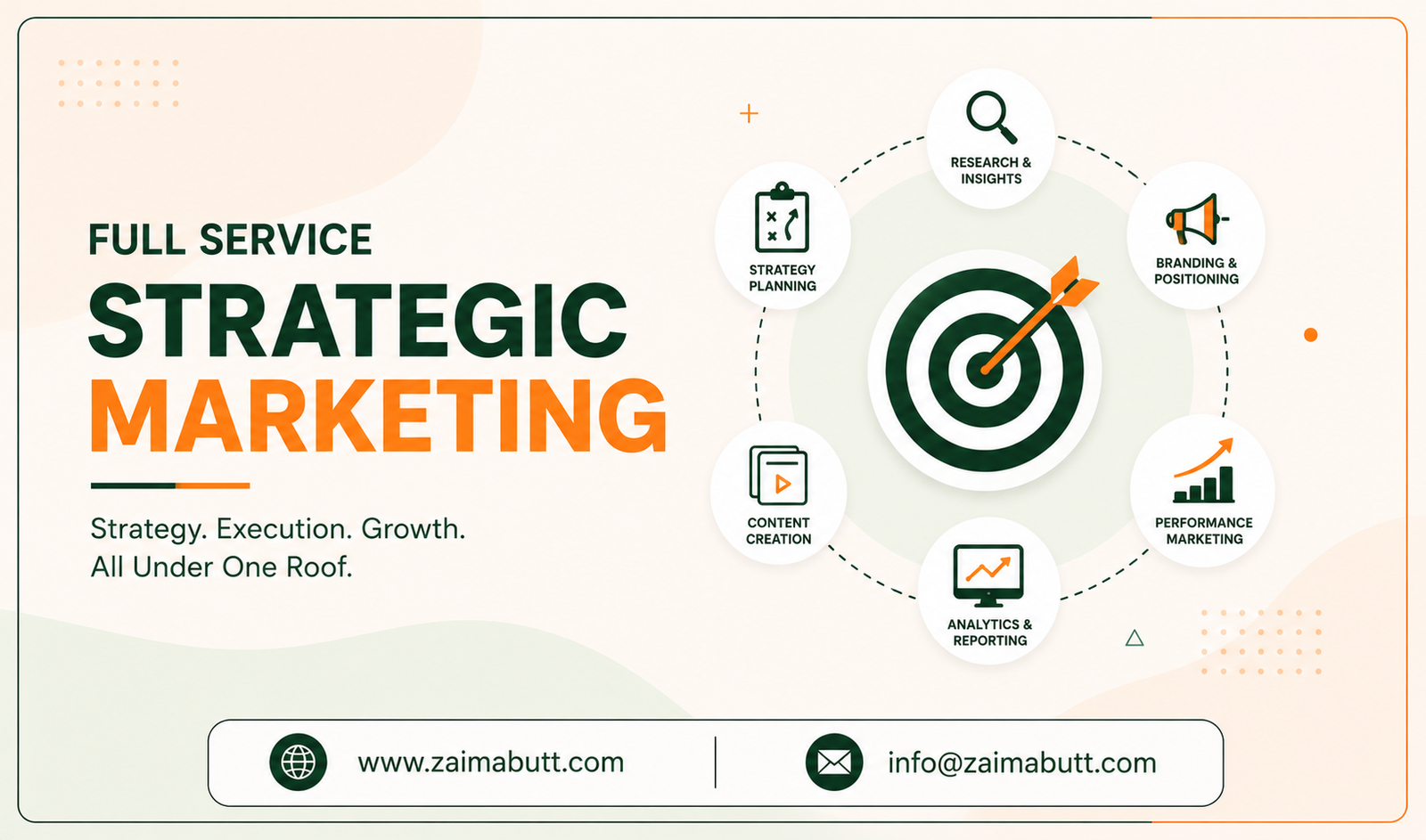
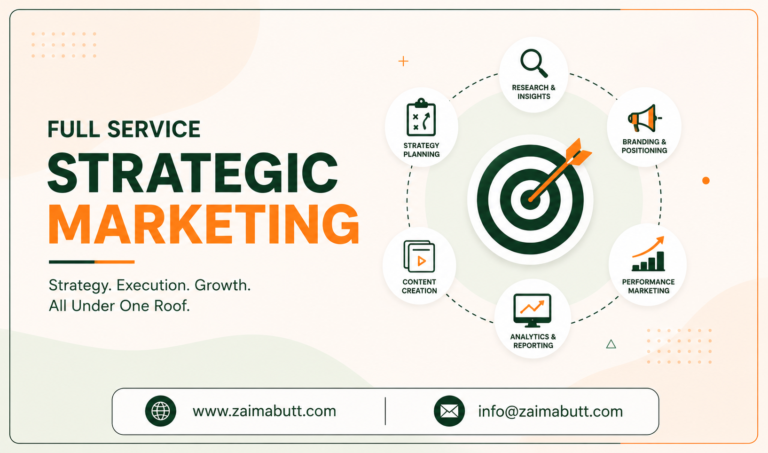
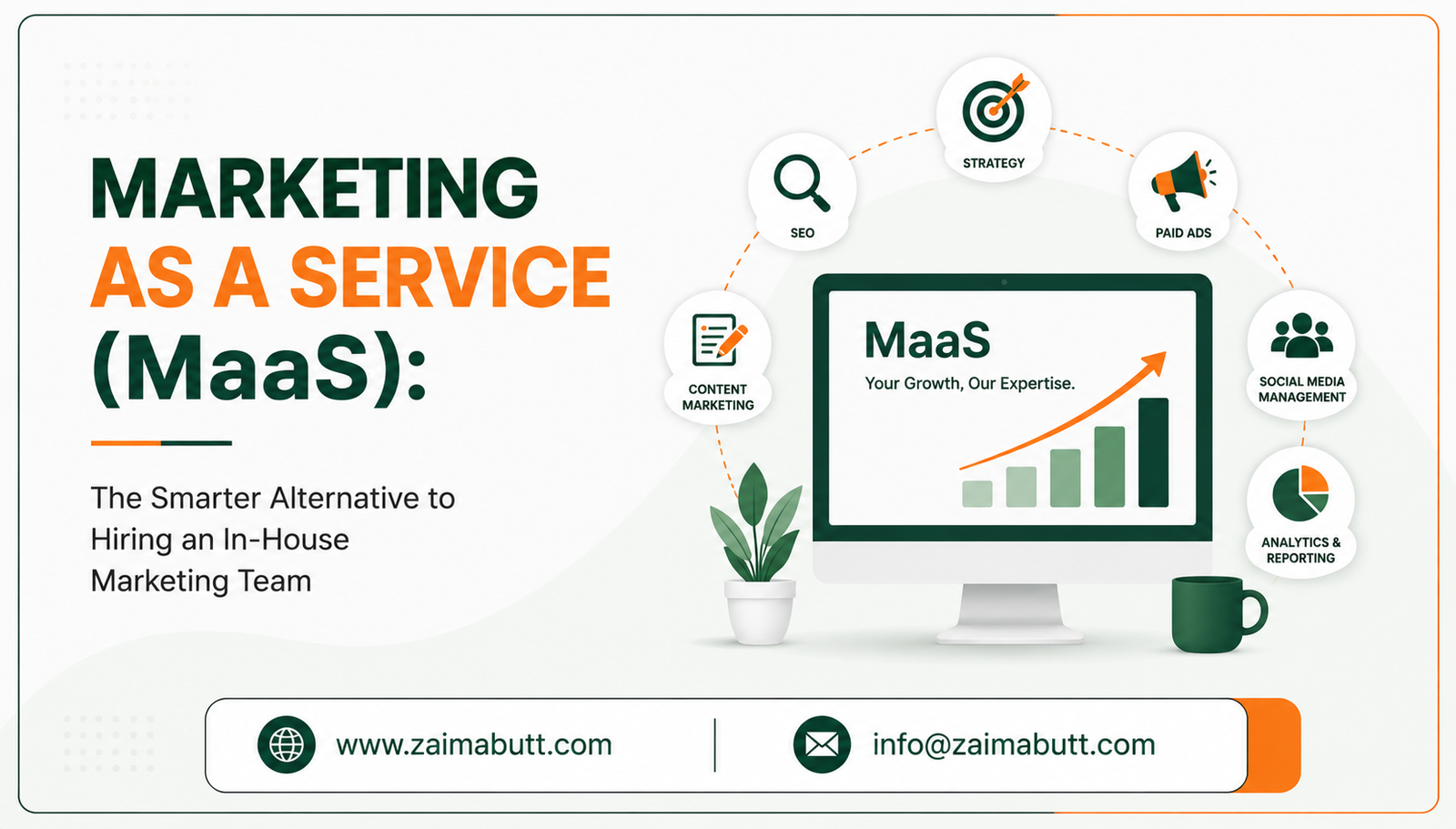
Once the analysis is complete, the team develops a structured marketing plan. This may include SEO optimization, content marketing, branding improvements, lead generation campaigns, website optimization, and social media management. Each activity is connected to the overall growth strategy.
Unlike random marketing efforts, MaaS focuses on long-term results. Businesses receive ongoing support, regular updates, and performance reports that show how campaigns are performing. These reports often include website traffic growth, keyword rankings, engagement levels, and lead generation results.
This organized and data-driven process helps businesses make better decisions while improving their online visibility over time.
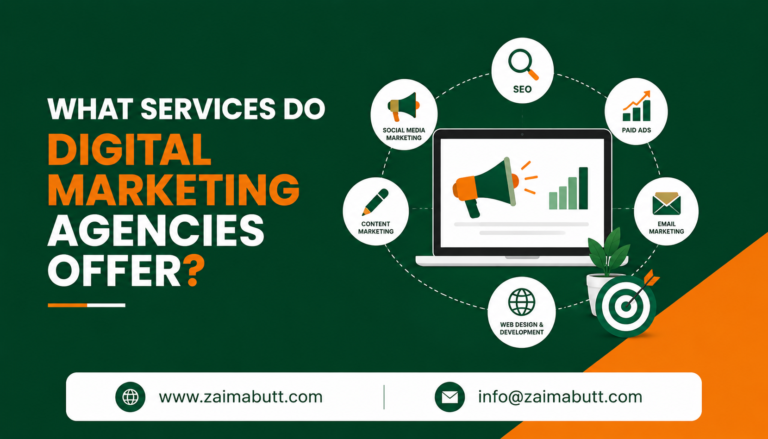
Important Services Included in MaaS
One of the strongest advantages of Marketing as a Service is that it combines multiple services. Instead of treating marketing as separate tasks, MaaS connects everything into one complete system.
SEO Services
SEO plays a major role in modern digital marketing. However, SEO today is not just about adding keywords to articles. Search engines now focus more on understanding topics, user intent, and content quality.
A strong MaaS provider uses semantic SEO principles to create content that answers user questions naturally while building topical authority. This includes proper internal linking, content clustering, technical SEO improvements, and entity optimization.
When done correctly, SEO helps businesses rank for many related searches instead of only one keyword.
Content Marketing
Content marketing helps businesses educate and attract potential customers. Blogs, landing pages, guides, newsletters, and website copy all work together to build trust with audiences.
Good content also improves SEO performance because search engines prefer websites that provide useful information. Businesses that consistently publish valuable content often receive more organic traffic and stronger customer engagement.
Branding
Branding is another important part of MaaS because customers remember businesses that have clear messaging and identity. A strong brand voice helps companies stand out in competitive industries.
Branding services may include logo development, messaging strategy, tone of voice, audience targeting, and visual consistency across platforms. These elements help businesses create recognition and trust.
Lead Generation
Marketing is not only about visibility. It is also about attracting people who may become customers. Lead generation strategies help businesses convert website visitors into real business opportunities.
This can include SEO traffic, landing pages, email campaigns, paid ads, and conversion optimization techniques. A strong lead generation system supports long-term business growth.
Benefits of MaaS for Startups and Small Businesses
Startups and small businesses often face budget limitations, which makes Marketing as a Service extremely valuable. Instead of hiring multiple employees, businesses gain access to an experienced team that already understands digital marketing.
One major benefit is reduced operational cost. Companies only pay for the services they need, making marketing more affordable and manageable.
Another advantage is access to experts in different fields. Businesses can work with SEO specialists, content strategists, designers, and marketing consultants without recruiting them individually.
MaaS also saves time because experienced teams can launch campaigns much faster than newly built in-house departments. Business owners can focus on operations, products, and customer service while marketing professionals manage growth strategies.
The flexibility of MaaS also supports business expansion. As a company grows, marketing services can easily scale according to new goals and market demands.
Mistakes Businesses Make Without a Proper Marketing Strategy
Many businesses struggle online because they market without structure or planning. One common mistake is publishing random content without understanding user intent or keyword relevance. This usually leads to weak SEO performance.
Another issue is ignoring website structure and internal linking. Without topical organization, websites often fail to build authority in search engines.
Some businesses rely only on social media marketing while ignoring SEO and website content. Although social platforms are useful, search traffic provides more stable long-term growth.
Inconsistent branding is another major problem. When businesses use different messaging styles across platforms, audiences become confused, and trust decreases.
Lack of analytics also creates problems because businesses cannot measure what is working. Without performance tracking, marketing decisions become guesswork instead of strategy.
How to Choose the Right MaaS Partner
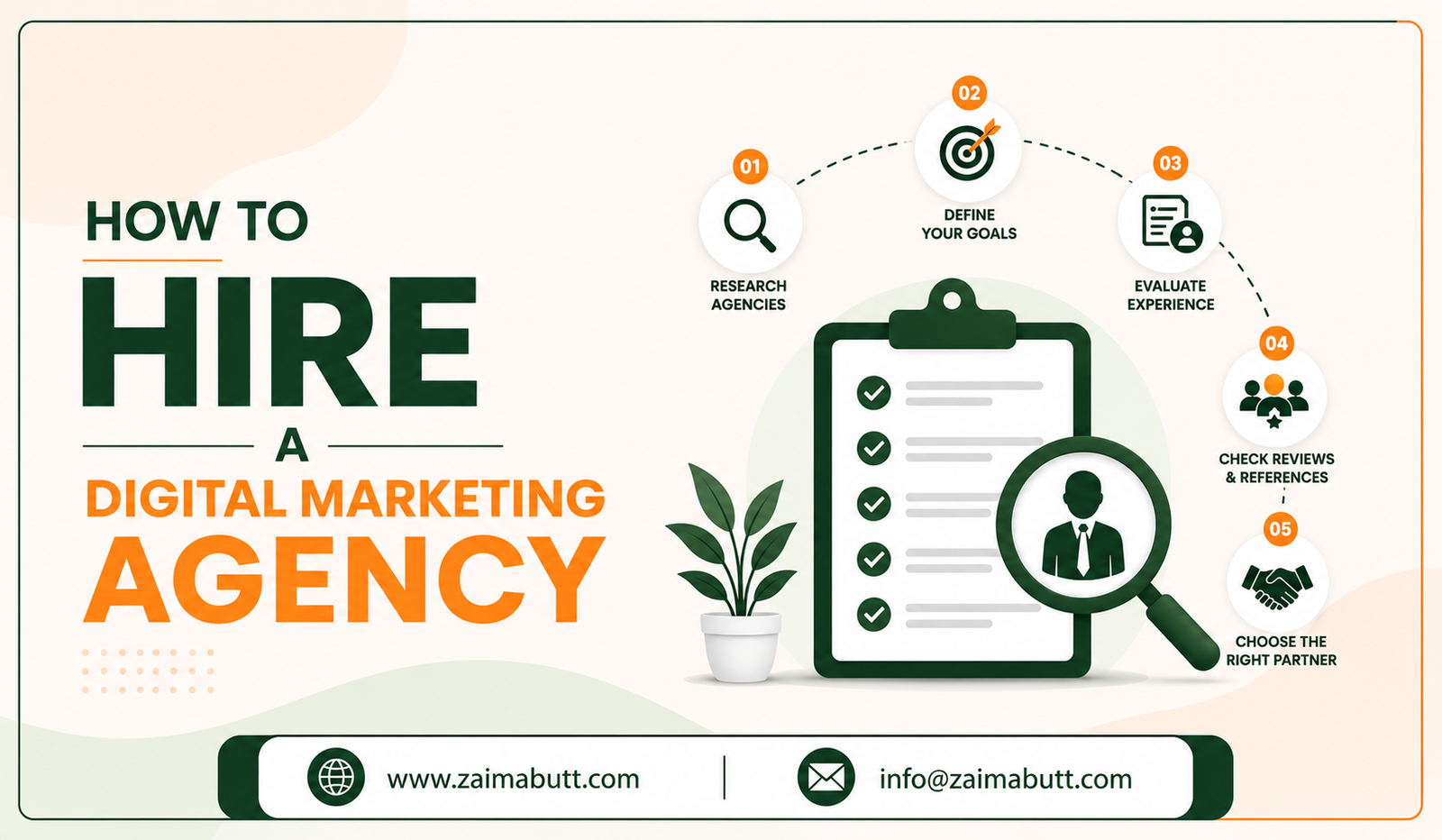
Choosing the right Marketing as a Service provider is important because not all agencies follow the same standards. Businesses should look for partners that understand semantic SEO, content strategy, branding, and long-term digital growth.
A reliable MaaS provider should explain strategies clearly and provide transparent reporting. Businesses should understand how campaigns work and what goals are being targeted.
It is also important to choose agencies that focus on sustainable growth instead of quick shortcuts. Promises of instant rankings or overnight success are usually unrealistic because strong SEO and branding require time.
The best marketing partners build strategies based on research, audience understanding, and business objectives instead of using generic templates.
The Future of Marketing as a Service
The future of digital marketing is becoming more connected to artificial intelligence, semantic search, and personalized user experiences. Search engines are becoming smarter, which means businesses must create better and more meaningful content.
Marketing as a Service will continue growing because companies prefer flexible systems that can adapt quickly to market changes. Businesses now want complete marketing solutions instead of isolated services.
Future MaaS strategies will likely focus more on AI-assisted SEO, predictive analytics, entity-based optimization, voice search, and customer personalization.
Companies that adapt to these trends early will have a stronger competitive advantage in the digital market.
Final Thoughts
Marketing as a Service is helping businesses grow in a smarter, more organized, and cost-effective way. Instead of managing disconnected marketing activities, companies can now use one complete system that combines SEO, content marketing, branding, analytics, and lead generation.
For startups and small businesses, MaaS provides access to professional expertise without the high cost of building a large in-house team. This makes digital growth more achievable and practical.
At the same time, semantic SEO principles introduced by experts like Koray Tuğberk GÜBÜR are changing how businesses create content. Modern SEO is no longer about stuffing keywords. It is about understanding user intent, building topical authority, and creating genuinely useful information.
Businesses that focus on meaningful content, smart strategy, and long-term value will continue to grow stronger in the modern marketing era.
CTA:
Want to grow your business with SEO-driven marketing and content strategy?
Book Your Consultation Now!
Primary Keyword
- Marketing as a Service (MaaS)
Secondary Keywords
- digital marketing services
- SEO and content marketing
- marketing outsourcing
- lead generation strategies
- branding and marketing strategy