What Services Do Digital Marketing Agencies Offer? A Complete Guide to SEO, PPC, Social Media & More
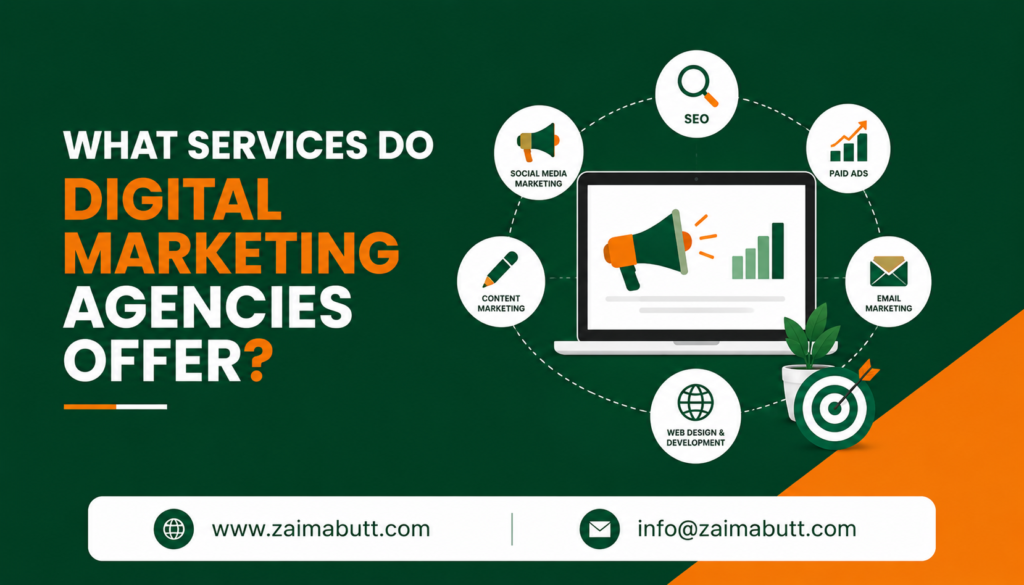
Digital marketing agencies help businesses grow online by using different internet-based strategies in a global digital advertising market worth over $740 billion and growing at a 13.6% annual rate. These agencies manage everything from website visibility to social media marketing and paid advertising campaigns. In today’s digital world, customers search online before buying anything. Whether it is a product, service, or local business, people first check Google, social media, and reviews, with 97% of consumers researching online before making purchasing decisions. Because of this, digital marketing has become essential for every business.A digital marketing agency acts like a partner that helps businesses attract the right audience, increase visibility, and improve sales. But many people still do not clearly understand what services these agencies actually provide. Search Engine Optimization (SEO) SEO is one of the most important online marketing services offered by digital marketing agencies. It helps websites rank higher on Google when people search for related keywords. The main goal of SEO services for businesses is to bring organic (free) traffic to a website without relying completely on paid ads or a PPC advertising agency. Agencies work on keyword research, on-page optimization, technical SEO, backlink building, and website optimization services to improve visibility and performance. They also strengthen content marketing strategy, website structure, content quality, and loading speed so search engines can easily understand the website. SEO is a long-term strategy that delivers consistent traffic and growth over time. Social Media Marketing Social media marketing services focus on platforms like Facebook, Instagram, TikTok, LinkedIn, and X (Twitter). Almost every business today needs a strong social media presence, which is why many people ask, “What do marketing agencies do?” Digital marketing agencies create and manage social media accounts for businesses by designing posts, writing captions, and creating engaging content to attract users. They also run paid social media ads to reach a larger audience based on interests, location, and behavior, while supporting SEO services for businesses through better online visibility and engagement. The goal of social media marketing is to build brand awareness, increase engagement, and connect directly with customers. Social media also helps businesses build trust because people prefer brands they see regularly online. Pay-Per-Click Advertising (PPC) PPC advertising is a paid marketing strategy where businesses pay only when someone clicks on their ad. A PPC advertising agency usually manages campaigns on platforms like Google Ads, Facebook, Instagram, and YouTube. Digital marketing agencies create targeted ad campaigns based on keywords, audience interests, and location while supporting a broader content marketing strategy for better audience engagement. PPC is useful for getting quick results. While SEO takes time, PPC can bring traffic immediately after launching a campaign. It is often used for product launches, seasonal offers, and short-term promotions. Agencies also monitor ad performance, improve website optimization services, and adjust campaigns to reduce costs and increase conversions. Content Marketing Content marketing focuses on creating a content marketing strategy that delivers valuable and useful content for the target audience. This includes blog posts, articles, videos, infographics, guides, and social media content. The main purpose of content marketing is to attract users naturally by providing helpful information instead of directly selling products. Good content builds trust between a business and its audience. It also improves SEO rankings because search engines prefer high-quality, informative content. Digital marketing agencies create content strategies based on customer needs and search trends. Over time, content marketing helps businesses become authoritative sources in their industry. Website Design and Development A website is the foundation of all digital marketing efforts. Without a proper website, online marketing cannot perform well. A full-service digital marketing agency provides digital marketing services, including designing and developing professional websites that are fast, mobile-friendly, and user-friendly. They focus on layout, navigation, design, and performance to ensure visitors have a smooth experience through effective website optimization services. A good website not only looks attractive but also helps convert visitors into customers. Agencies also make sure the website is optimized for SEO and works well on all devices. Conversion Rate Optimization (CRO) Conversion Rate Optimization (CRO) is one of the key digital marketing agency services, and it helps answer the question: What do marketing agencies do in terms of improving performance? It is the process of improving a website so that more visitors take action. This action could be buying a product, filling out a contact form, or subscribing to a newsletter. Digital marketing agencies study user behavior using tools like heatmaps and analytics. They test different versions of pages, buttons, and content to see what works best. Even small changes, like improving a call-to-action button or simplifying a form, can increase conversions significantly. CRO helps businesses get better results without increasing traffic. Email Marketing and Automation Email marketing is one of the most effective online marketing services offered by a full-service digital marketing agency for customer communication. Agencies create email campaigns for promotions, updates, newsletters, and product announcements using email marketing automation tools to send emails at the right time based on user behavior. For example, a customer who abandons a cart may receive an automatic reminder email. Email marketing helps businesses stay connected with customers and increase repeat sales. It is also one of the most cost-effective marketing strategies available today. Analytics and Performance Tracking Digital marketing agencies do not just run campaigns; they also measure results as part of online marketing services offered by a full-service digital marketing agency, which also explains how digital agencies work. They use tools like Google Analytics, Search Console, and social media insights to track performance. These tools help monitor website traffic, user behavior, conversions, and campaign effectiveness. Agencies create reports, often included in digital marketing packages, that show what is working and what needs improvement. Data-driven marketing is important because it helps businesses make smarter decisions instead of guessing. Over time, this improves performance and reduces wasted marketing budget. Branding and Creative Services Branding is an important part of digital marketing agency services and helps explain what marketing agencies
How to choose a digital marketing agency
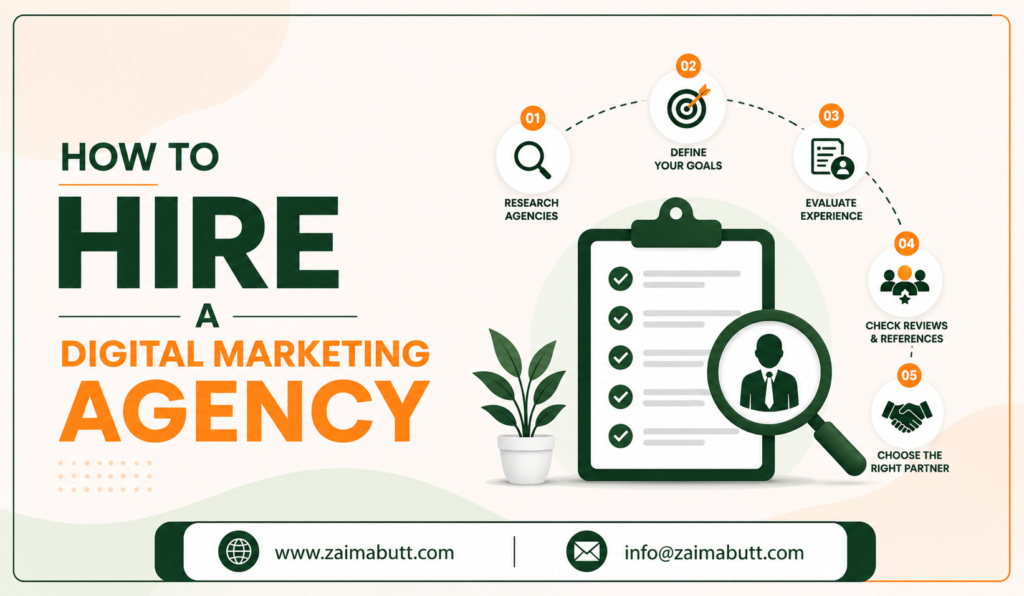
Choosing the right digital marketing agency has become more important than ever because online marketing is growing rapidly every year. According to recent digital marketing statistics, global digital ad spend crossed $740 billion in 2025, while SEO now drives nearly 53% of all website traffic. At the same time, social media ad spending has exceeded $230 billion globally, showing how strongly businesses now rely on digital platforms to attract customers and grow online. With so many agencies offering SEO, content marketing services, social media management, and paid advertising, finding the right partner can feel overwhelming. Some agencies focus only on quick sales, while others build long-term strategies that actually help businesses grow sustainably. The right digital marketing company should understand your business goals, create a strong SEO and content strategy, and help your brand build visibility, trust, and long-term success online. This guide explains how to choose a digital marketing agency in a simple, practical, and easy-to-understand way. Understand Your Business Goals First Before contacting any digital marketing agency, you should clearly understand what your business needs. Different businesses have different marketing goals. Some want website traffic, while others focus on leads, sales, social media growth, or stronger brand awareness. When your goals are clear, it becomes easier to choose the right online marketing agency that matches your business needs and long-term vision. For example: You should also think about your budget, target audience, competition, and long-term growth plans before hiring an agency. Businesses looking for faster lead generation may also benefit from performance marketing services that focus on measurable results and conversions. Look for Industry Experience Experience matters in digital marketing because every industry works differently. A business marketing strategy that works for a fashion brand may not deliver the same results for a law firm, healthcare company, or software business. When choosing a digital marketing agency, it is important to check whether they have experience working with businesses similar to yours. An experienced agency usually understands customer behavior, search trends, industry competition, and the best ways to improve conversions.Agencies with industry knowledge can also build a stronger SEO content strategy that matches your audience’s needs and search intent. Whether you need branding and marketing services for a startup or marketing services for small business growth, experienced agencies can create campaigns more effectively and avoid common mistakes. You can ask for case studies, previous client work, or examples of industries they have handled before making your decision. Check Their SEO and Content Strategy A strong digital marketing agency should have a deep understanding of modern SEO and content marketing. Today, SEO is not just about using keywords; it is about creating helpful, connected, and user-focused content that truly answers what people are searching for. Using semantic SEO principles, a good agency focuses on search intent, topic depth, content structure, internal linking, entity-based SEO, user experience, and overall content relevance. A professional SEO agency should also be able to explain how they build content clusters, optimize website pages, and improve topical authority over time. For example, if your business is related to digital marketing, they should create supporting content around SEO, branding, social media marketing, PPC advertising, content marketing, lead generation, and website optimization. This type of smart content strategy helps search engines better understand your website and builds long-term visibility instead of just short-term traffic. Understand Their Services and Team Structure Some digital marketing agencies focus on only one service, while others provide complete marketing solutions. Before hiring an agency, it is important to clearly understand what services they offer and whether they match your business needs. These services may include SEO, content writing, social media marketing, Google Ads, Meta Ads, email marketing, branding, website development, and analytics and reporting. It is also important to know who will actually handle your project. Ask whether you will be working with SEO specialists, content writers, graphic designers, ad managers, or account managers. A clear team structure helps improve communication, ensures better project management, and makes the overall marketing process more organized and effective. Ask About Communication and Reporting Communication is one of the most important factors in building a successful digital marketing agency partnership. A good agency should provide regular updates, simple reports, and clear explanations so you always understand what is happening with your marketing campaigns. You should know what work is being done, which results are improving, which campaigns are performing well, and what changes are needed. Avoid agencies that use confusing technical language without proper explanation. The best agencies make marketing performance easy to understand for business owners and keep everything transparent. You can also ask key questions to ensure smooth communication and accountability. Compare Pricing Without Choosing the Cheapest Option Price is an important factor when choosing a digital marketing partner, but the cheapest option is not always the best choice. Some low-cost agencies may use outdated SEO methods, copied content, or low-quality backlinks that can harm your website’s performance in the long run. That is why it is important to focus on value instead of just cost when selecting a digital marketing company or SEO agency. A quality online marketing agency or social media marketing agency should provide clear deliverables, realistic timelines, ethical SEO practices, long-term strategy, and transparent pricing. Good marketing services such as performance marketing services or content marketing services should be seen as an investment, not an expense. Sometimes paying slightly more leads to stronger, long-term business growth and better results. Watch for Red Flags Before Signing Some digital marketing agencies try to attract clients by making unrealistic promises. You should be careful if an agency guarantees instant #1 Google rankings, refuses to explain their strategy, uses copied content, avoids sharing reports, has no portfolio or reviews, or promises overnight growth. These are clear warning signs of poor or unsafe marketing practices. Digital marketing is a long-term process that requires testing, consistency, and continuous improvement. A trustworthy online marketing agency or social media marketing agency always focuses on sustainable results instead of
Full Service Strategic Marketing: A Simple Guide to Smarter Business Growth
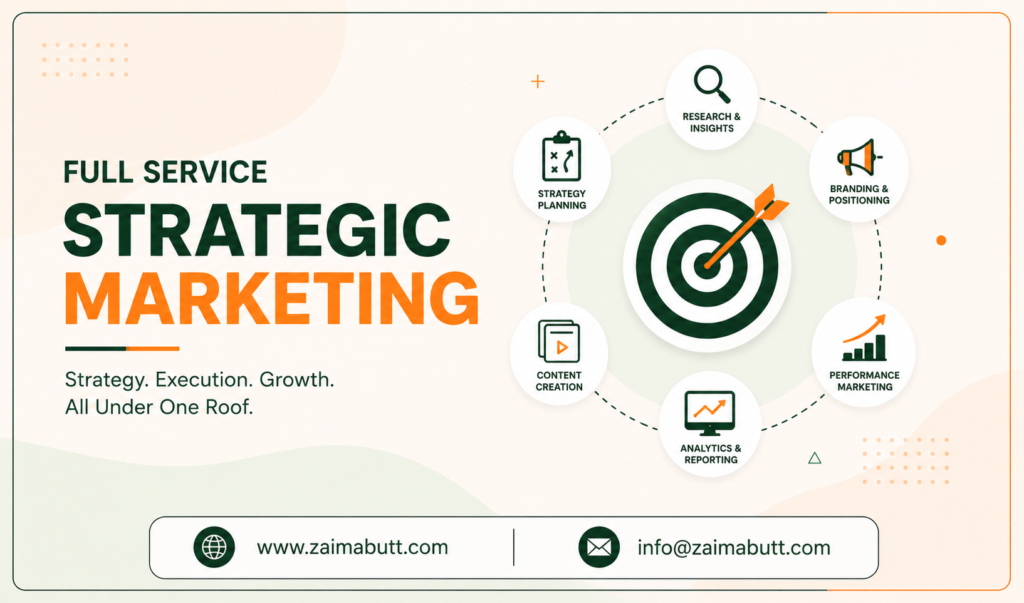
Marketing has changed a lot in recent years. Businesses are no longer growing just by running a few ads or posting on social media once in a while. Today, companies need a complete strategy that connects branding, SEO, content, advertising, customer engagement, and data analysis together. This is where full-service strategic marketing becomes important. Instead of using separate teams for every task, businesses now prefer a comprehensive marketing system that works toward one goal: smart, steady business growth. A strategic approach helps companies understand their audience, improve visibility, build trust, and increase sales in a more organized way. This shift is also strongly supported by real industry growth. Advertising and marketing revenues have continued to rise throughout the decade, with global expansion of nearly 30% between 2021 and 2025. In 2024 alone, marketing growth reached about 9.4%, while advertising grew at less than 8%. As a result, global marketing spending reached nearly 985 billion U.S. dollars, moving the industry close to the trillion-dollar mark. These numbers clearly show how important structured marketing has become for business success. Businesses that focus on long-term marketing strategies often perform better in search engines, attract loyal customers, and build stronger online authority. This is also an important part of semantic SEO, where websites create connected and meaningful content that answers user intent instead of only targeting single keywords. What Does Full Service Strategic Marketing Mean? Full-service strategic marketing is a complete marketing approach where all marketing activities work together under one clear strategy. Instead of handling SEO, social media, branding, email marketing, and paid ads separately, businesses connect everything into one system. This creates better communication, stronger branding, and more consistent results. A full-service strategy usually includes: The main goal is not only to get traffic but also to turn visitors into customers and customers into loyal supporters. Why Businesses Need a Strategic Marketing Approach Many businesses struggle because they focus only on short-term marketing. They run ads for a few weeks, post random content online, or follow trends without a proper plan. Strategic marketing helps businesses stay focused on long-term growth. A good strategy helps companies: Businesses that use strategic marketing often make smarter decisions because every campaign is connected to business goals. Semantic SEO also supports this approach by helping brands create topic-focused content clusters instead of isolated blog posts. Search engines now prefer websites that cover topics deeply and clearly. Main Services Included in Full Service Marketing A full-service marketing system includes different services that support each other. SEO Services SEO helps businesses improve their visibility in search engines. This includes: Modern SEO is no longer only about keywords. Search engines now understand context, meaning, and user intent. This is why semantic SEO is becoming more important for online growth. Content Marketing Content marketing helps businesses educate, engage, and attract customers. This can include: Good content answers real questions users are searching for online. It also helps businesses build topical authority in their industry. For example, instead of writing only one article about marketing, a business can create multiple connected articles around SEO, branding, advertising, customer engagement, and analytics. This creates stronger relevance for search engines. Social Media Marketing Social media helps businesses connect directly with audiences. Platforms like Instagram, LinkedIn, and Facebook allow brands to: Strategic social media marketing focuses on consistency and audience value instead of only promotional posts. Paid Advertising Paid advertising helps businesses reach targeted audiences quickly. This may include: A strong paid advertising strategy works best when combined with SEO and content marketing because both paid and organic traffic support each other. How SEO and Content Marketing Work Together SEO and content marketing are closely connected. Without content, SEO has little value. Without SEO, content may never reach the right audience. Modern search engines want websites that provide complete answers and useful information. This is why semantic SEO focuses on topic depth and user intent. For example, a business writing about digital marketing should also cover related topics such as: This creates topical relevance and improves search engine trust. Businesses that create connected content clusters often perform better than websites with random, unrelated articles. The Role of Branding in Business Growth Branding is more than a logo or color theme. It is the overall identity and message of a business. Strong branding helps businesses: A strategic marketing plan ensures that branding stays consistent across websites, social media, emails, and advertisements. Consistency helps customers remember a business more easily. Social Media and Paid Advertising Strategies Social media and advertising work best when guided by data and audience behavior. Businesses should focus on: Paid campaigns should support larger business goals instead of only generating quick clicks. A strategic campaign may focus on: Businesses that combine organic marketing with paid advertising often create stronger long-term results. How Data and Analytics Improve Marketing Decisions One major advantage of full-service strategic marketing is data tracking. Analytics help businesses understand: This helps companies make smarter marketing decisions instead of relying on guesswork. Tools like Google Analytics and Google Search Console help businesses monitor website performance and user behavior. Data-driven marketing also improves return on investment because businesses can focus on strategies that actually work. Benefits of Hiring a Full-Service Strategic Marketing Team Many businesses choose full-service marketing because managing everything internally can become difficult. A full-service team helps businesses: Instead of hiring separate specialists for every task, businesses can work with one connected team that understands the complete growth strategy. This also improves communication and campaign consistency. Common Mistakes Businesses Should Avoid Many businesses make marketing mistakes that slow down growth. Ignoring SEO Some businesses focus only on social media and forget about search visibility. SEO is important for long-term organic traffic. Publishing Random Content Random blog posts without topic relevance often fail to build authority. Inconsistent Branding Different messages across platforms confuse customers and weaken trust. Focusing Only on Sales Businesses should also focus on education, trust-building, and customer relationships. Not Tracking Performance Without analytics, businesses cannot understand what is