

Marketing has changed a lot in recent years. Businesses are no longer growing just by running a few ads or posting on social media once in a while. Today, companies need a complete strategy that connects branding, SEO, content, advertising, customer engagement, and data analysis together.
This is where full-service strategic marketing becomes important.
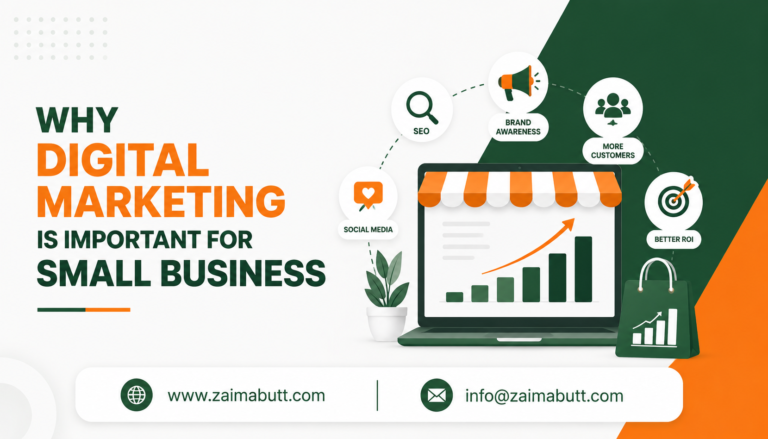
Instead of using separate teams for every task, businesses now prefer a comprehensive marketing system that works toward one goal: smart, steady business growth. A strategic approach helps companies understand their audience, improve visibility, build trust, and increase sales in a more organized way.
This shift is also strongly supported by real industry growth. Advertising and marketing revenues have continued to rise throughout the decade, with global expansion of nearly 30% between 2021 and 2025. In 2024 alone, marketing growth reached about 9.4%, while advertising grew at less than 8%. As a result, global marketing spending reached nearly 985 billion U.S. dollars, moving the industry close to the trillion-dollar mark. These numbers clearly show how important structured marketing has become for business success.
Businesses that focus on long-term marketing strategies often perform better in search engines, attract loyal customers, and build stronger online authority. This is also an important part of semantic SEO, where websites create connected and meaningful content that answers user intent instead of only targeting single keywords.
What Does Full Service Strategic Marketing Mean?
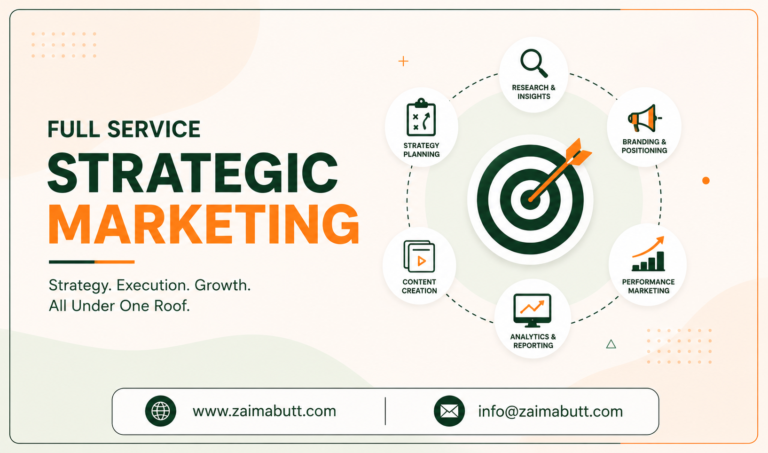
Full-service strategic marketing is a complete marketing approach where all marketing activities work together under one clear strategy.
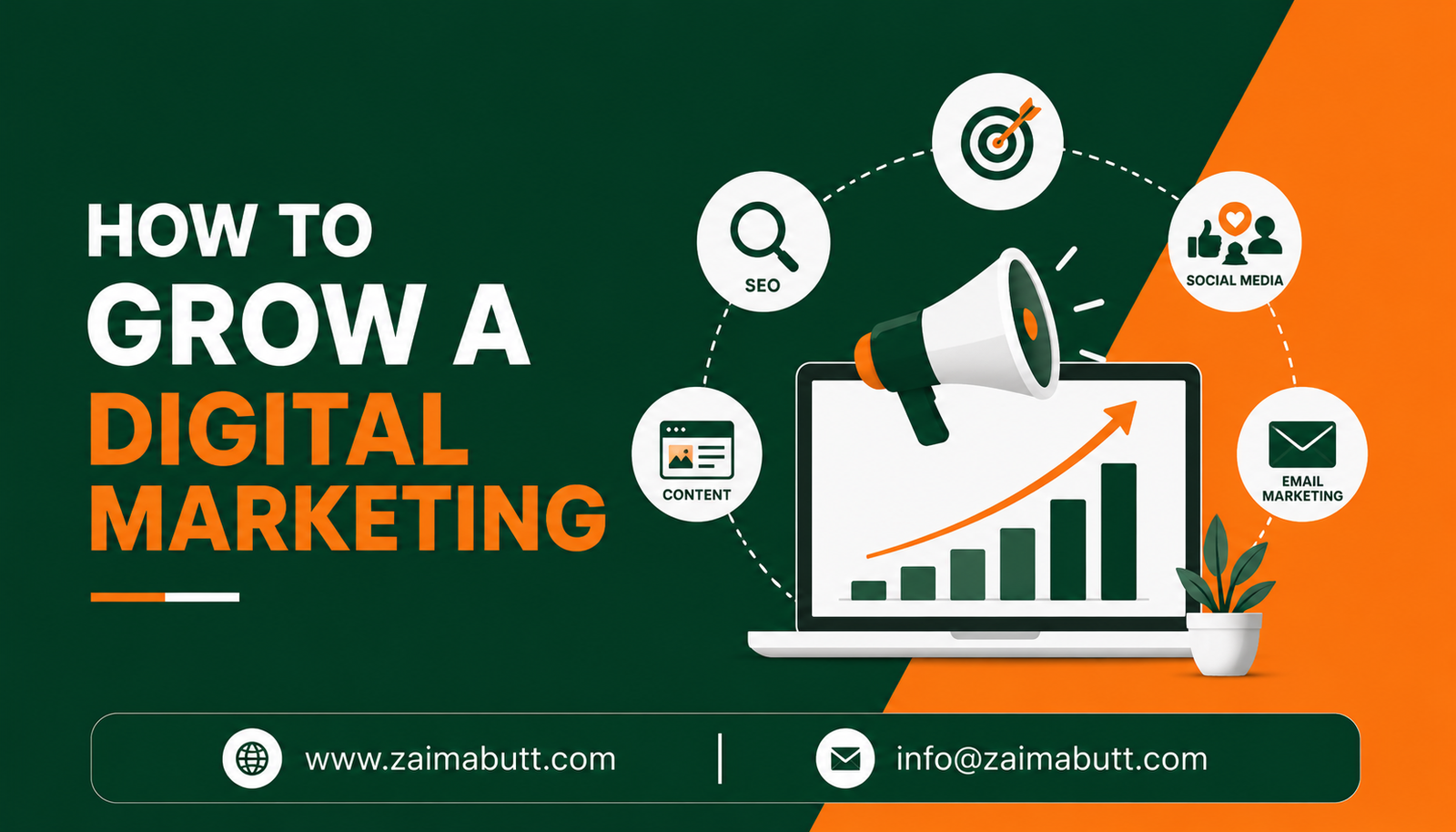
Instead of handling SEO, social media, branding, email marketing, and paid ads separately, businesses connect everything into one system. This creates better communication, stronger branding, and more consistent results.
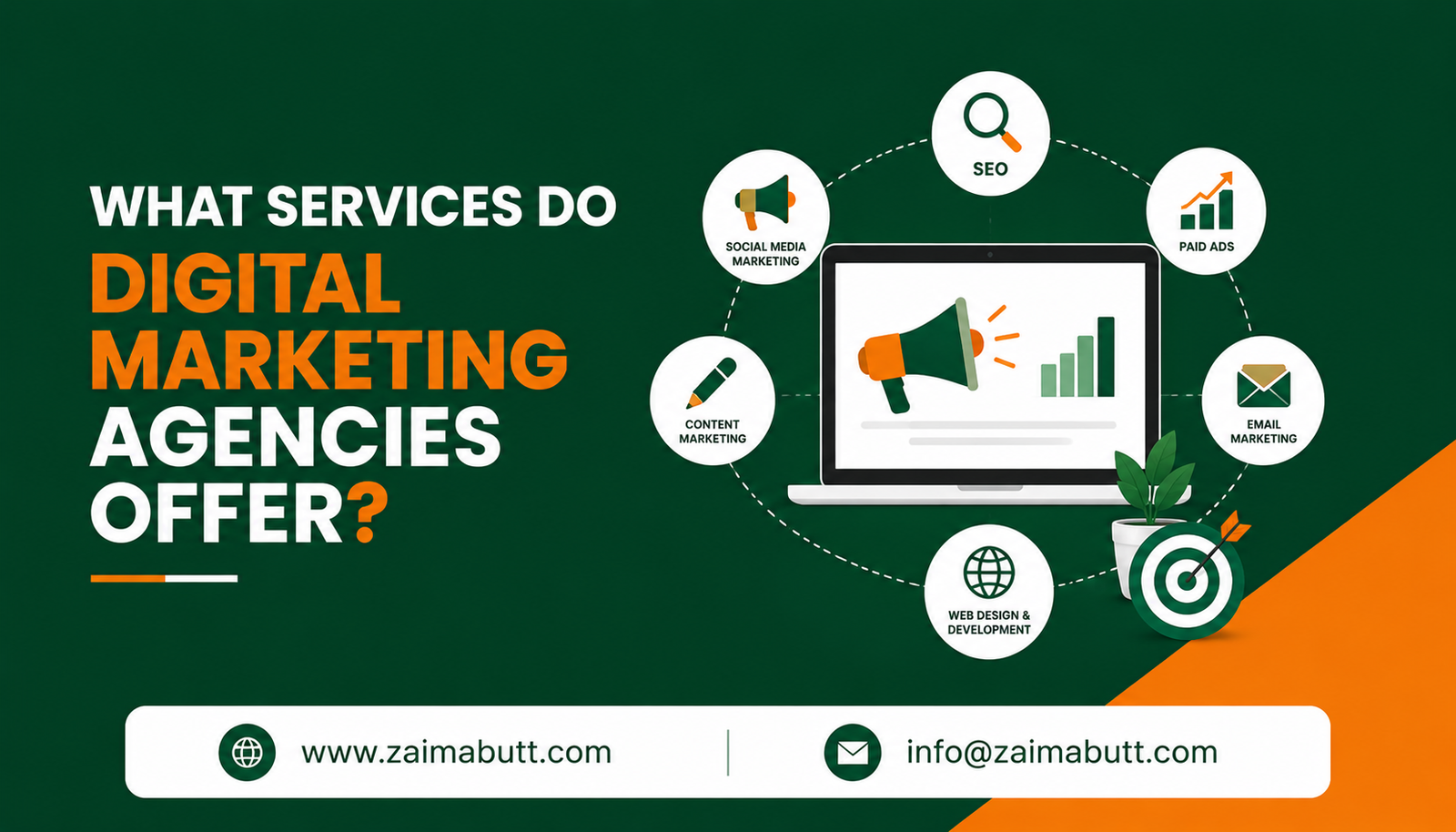
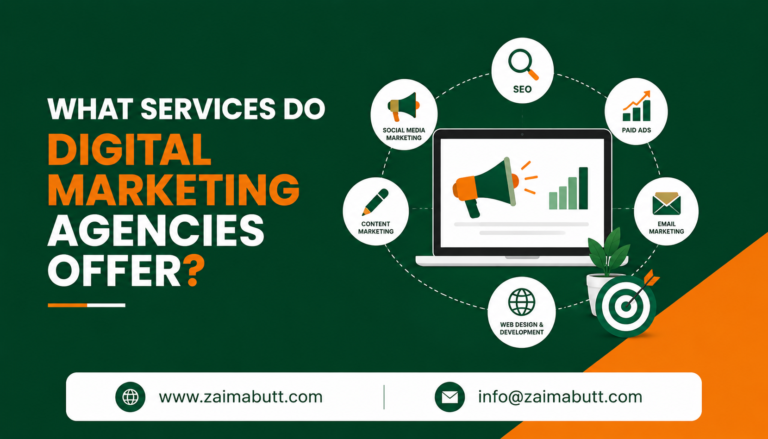
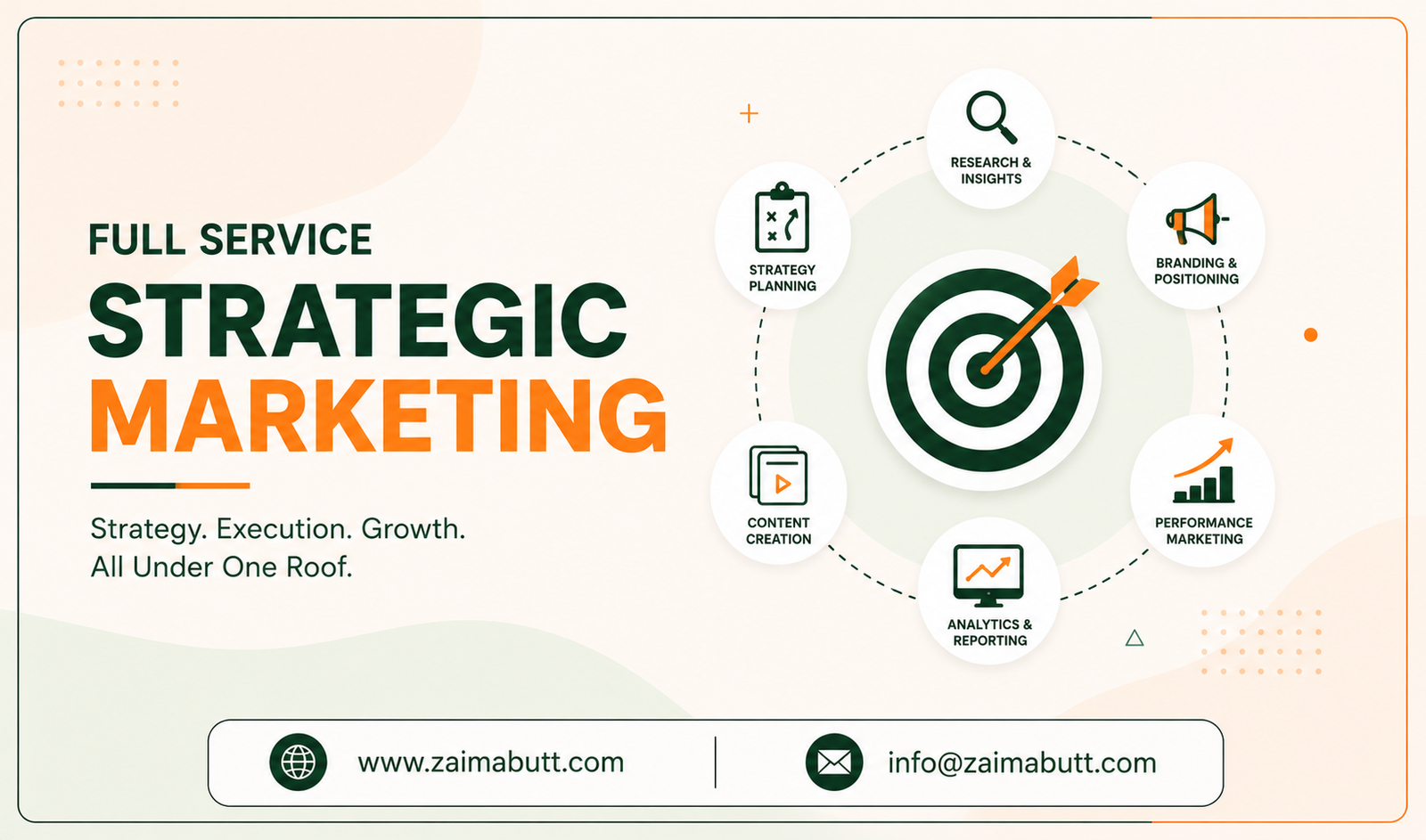
A full-service strategy usually includes:
- Search engine optimization (SEO)
- Content marketing
- Social media marketing
- Branding and design
- Paid advertising
- Email campaigns
- Website optimization
- Analytics and reporting
- Lead generation strategies
The main goal is not only to get traffic but also to turn visitors into customers and customers into loyal supporters.
Why Businesses Need a Strategic Marketing Approach
Many businesses struggle because they focus only on short-term marketing. They run ads for a few weeks, post random content online, or follow trends without a proper plan.
Strategic marketing helps businesses stay focused on long-term growth.
A good strategy helps companies:
- Understand customer needs
- Build trust and authority
- Improve online visibility
- Increase conversions
- Create consistent branding
- Save time and marketing budget
Businesses that use strategic marketing often make smarter decisions because every campaign is connected to business goals.
Semantic SEO also supports this approach by helping brands create topic-focused content clusters instead of isolated blog posts. Search engines now prefer websites that cover topics deeply and clearly.
Main Services Included in Full Service Marketing
A full-service marketing system includes different services that support each other.
SEO Services
SEO helps businesses improve their visibility in search engines. This includes:
- Keyword research
- Technical SEO
- On-page optimization
- Internal linking
- Content optimization
- Local SEO
- Mobile optimization
Modern SEO is no longer only about keywords. Search engines now understand context, meaning, and user intent. This is why semantic SEO is becoming more important for online growth.
Content Marketing
Content marketing helps businesses educate, engage, and attract customers.
This can include:
- Blog articles
- Website pages
- Guides and tutorials
- Videos
- Infographics
- Email newsletters
Good content answers real questions users are searching for online. It also helps businesses build topical authority in their industry.
For example, instead of writing only one article about marketing, a business can create multiple connected articles around SEO, branding, advertising, customer engagement, and analytics.
This creates stronger relevance for search engines.
Social Media Marketing
Social media helps businesses connect directly with audiences.
Platforms like Instagram, LinkedIn, and Facebook allow brands to:
- Share updates
- Build community trust
- Increase engagement
- Promote products
- Drive website traffic
Strategic social media marketing focuses on consistency and audience value instead of only promotional posts.
Paid Advertising
Paid advertising helps businesses reach targeted audiences quickly.
This may include:
- Search engine ads
- Social media ads
- Display advertising
- Retargeting campaigns
- Video advertising
A strong paid advertising strategy works best when combined with SEO and content marketing because both paid and organic traffic support each other.
How SEO and Content Marketing Work Together
SEO and content marketing are closely connected.
Without content, SEO has little value. Without SEO, content may never reach the right audience.
Modern search engines want websites that provide complete answers and useful information. This is why semantic SEO focuses on topic depth and user intent.
For example, a business writing about digital marketing should also cover related topics such as:
- branding
- customer behavior
- lead generation
- email marketing
- search engine optimization
- social media strategy
- conversion optimization
This creates topical relevance and improves search engine trust.
Businesses that create connected content clusters often perform better than websites with random, unrelated articles.
The Role of Branding in Business Growth
Branding is more than a logo or color theme. It is the overall identity and message of a business.
Strong branding helps businesses:
- Build customer trust
- Improve recognition
- Create an emotional connection
- Increase loyalty
- Stand out from competitors
A strategic marketing plan ensures that branding stays consistent across websites, social media, emails, and advertisements.
Consistency helps customers remember a business more easily.
Social Media and Paid Advertising Strategies
Social media and advertising work best when guided by data and audience behavior.
Businesses should focus on:
- Understanding customer interests
- Posting valuable content
- Using audience targeting
- Testing different ad formats
- Improving engagement rates
Paid campaigns should support larger business goals instead of only generating quick clicks.
A strategic campaign may focus on:
- Brand awareness
- Lead generation
- Website traffic
- Product sales
- Customer retention
Businesses that combine organic marketing with paid advertising often create stronger long-term results.
How Data and Analytics Improve Marketing Decisions
One major advantage of full-service strategic marketing is data tracking.
Analytics help businesses understand:
- Which content performs best
- Where traffic comes from
- What users search for
- Which campaigns generate leads
- How customers interact with websites
This helps companies make smarter marketing decisions instead of relying on guesswork. Tools like Google Analytics and Google Search Console help businesses monitor website performance and user behavior. Data-driven marketing also improves return on investment because businesses can focus on strategies that actually work.
Benefits of Hiring a Full-Service Strategic Marketing Team
Many businesses choose full-service marketing because managing everything internally can become difficult.
A full-service team helps businesses:
- Save time
- Access marketing experts
- Create consistent strategies
- Improve SEO performance
- Increase lead generation
- Manage campaigns efficiently
Instead of hiring separate specialists for every task, businesses can work with one connected team that understands the complete growth strategy. This also improves communication and campaign consistency.
Common Mistakes Businesses Should Avoid
Many businesses make marketing mistakes that slow down growth.
Ignoring SEO
Some businesses focus only on social media and forget about search visibility. SEO is important for long-term organic traffic.
Publishing Random Content
Random blog posts without topic relevance often fail to build authority.
Inconsistent Branding
Different messages across platforms confuse customers and weaken trust.
Focusing Only on Sales
Businesses should also focus on education, trust-building, and customer relationships.
Not Tracking Performance
Without analytics, businesses cannot understand what is working and what needs improvement.
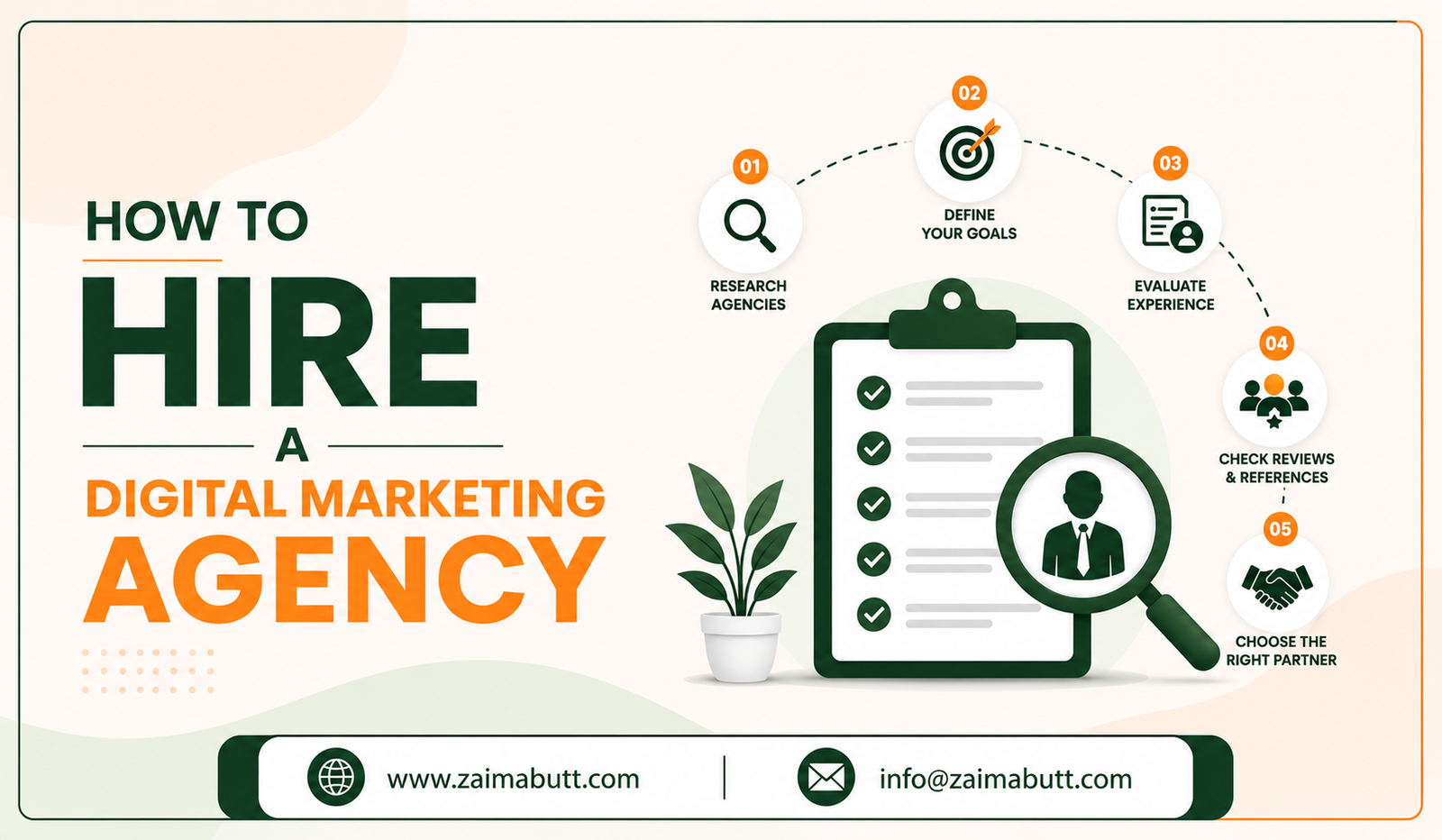
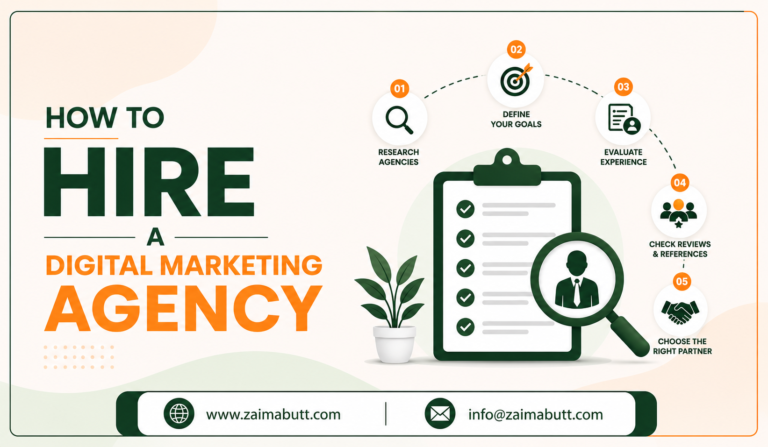
How to Choose the Right Marketing Partner
Choosing the right marketing partner is an important business decision because it directly affects your brand growth and online success. A good partner understands your goals and builds a clear strategy instead of using random tactics.
First, businesses should look for a team that understands strategic marketing. This means they focus on planning, research, and long-term direction instead of only running short campaigns. A strategic approach ensures that every action supports overall business growth.
It is also important to choose a partner that focuses on long-term growth. Real success in marketing takes time, consistency, and continuous improvement. Quick results may look attractive, but sustainable growth comes from steady effort and smart planning.
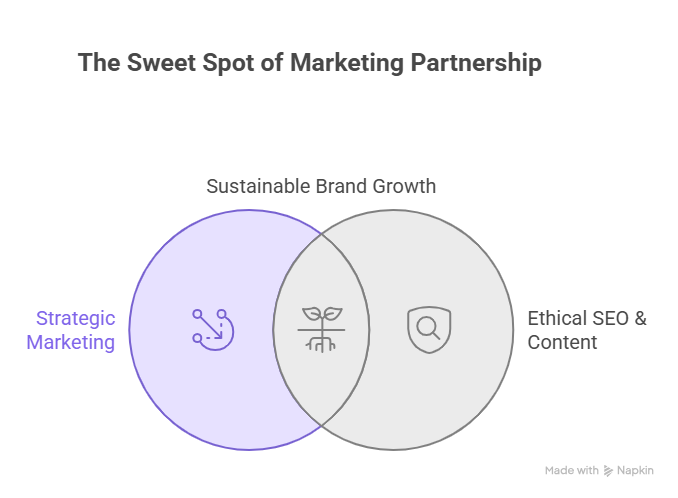
Ethical SEO methods are another key factor. A reliable marketing partner uses safe techniques that follow search engine guidelines. This helps your website grow naturally without risking penalties or loss of rankings.
Clear reporting is also essential. Businesses should always know what is happening with their marketing campaigns. Good partners provide simple reports that show traffic, performance, and results in an easy-to-understand way.
Understanding audience behavior is equally important. A strong marketing team studies customer needs, interests, and search patterns. This helps create better content and more effective campaigns.
Quality content creation should also be a priority. Content must be useful, clear, and relevant so it builds trust and improves visibility.
Finally, a good marketing partner should support branding consistency and understand semantic SEO. This helps create connected, meaningful content that performs better in modern search engines and builds stronger online authority over time.
Future of Strategic Marketing for Growing Brands
Marketing will continue changing as search engines and customer behavior evolve.
Future marketing trends may include:
- AI-assisted content strategies
- Personalized customer experiences
- Voice search optimization
- Topic-based SEO
- Video-first marketing
- Better audience automation
Businesses that focus on strategic and connected marketing systems will likely perform better in the long run. The future belongs to brands that create helpful, relevant, and trustworthy experiences for users.
Final Thoughts
Full-service strategic marketing is not only about promotion. It is about creating a complete growth system that connects SEO, content, branding, advertising, and customer engagement together.
Businesses that use a strategic marketing approach can improve visibility, build authority, and grow more steadily in competitive markets.
Instead of chasing short-term trends, companies should focus on long-term value, audience trust, and meaningful content creation.
Semantic SEO also plays a major role in this process because modern search engines reward websites that provide depth, clarity, and strong topical relevance.
For businesses looking to grow smarter, full-service strategic marketing is no longer optional. It has become an important part of building a strong and successful brand online.
Primary Keyword
- Full-service strategic marketing
Secondary Keywords (2–3)
- Strategic marketing services
- SEO and content marketing strategy
- Digital marketing and branding strategy